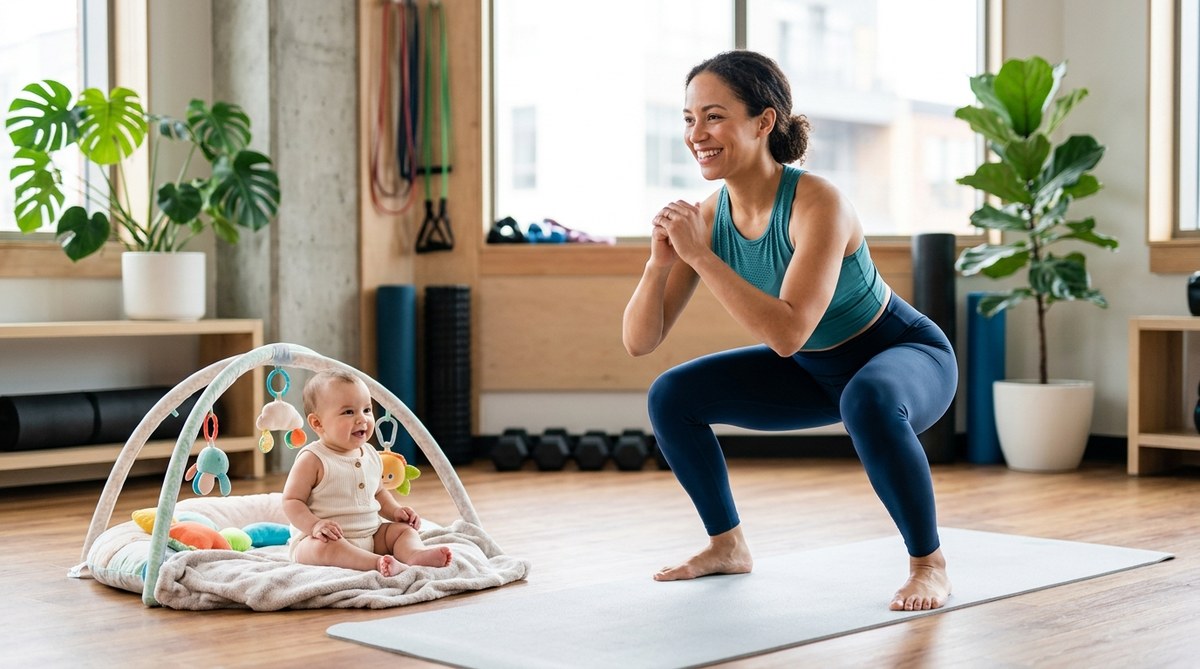
Becoming a new mom is one of life’s most joyful journeys, and it also brings a unique set of physical and mental changes. Your body has given a lot over the past months, and returning to fitness should feel empowering, safe and achievable. This postpartum fitness guide from UpFitness.com.hk is designed for real life. It blends practical workouts, smart progression, and mindful recovery so you can rebuild strength, core stability, and energy while you navigate feeding, sleep schedules, and a busy calendar. Whether you’re fresh from the delivery room or several weeks into motherhood, you can use this guide to tailor a plan that respects your body, supports breastfeeding if applicable, and fits your lifestyle.
Why postpartum fitness matters
Postpartum exercise is more than shedding baby weight. It helps improve mood, supports sleep, promotes daytime energy, and contributes to long term health. For many women, safe movement after birth also aids in restoring pelvic floor function, rebuilding core strength, and maintaining a healthy weight. A thoughtful program can reduce anxiety and increase confidence as you learn to move with a changing body.
Key benefits include:
– Mood support and reduced symptoms of postpartum depression and anxiety
– Improved cardiovascular health and energy levels
– Repaired pelvic floor function and reduced risk of diastasis recti related discomfort
– Better sleep quality and daytime stamina
– Enhanced confidence for daily activities with a growing family
Before you start any new exercise routine after childbirth, consult your clinician if you had a cesarean delivery, placenta previa, significant bleeding, or any pregnancy complications. If you experience pain, dizziness, heavy bleeding, or leakage with movement, stop and seek guidance.
Safety first: guiding principles for postpartum workouts
These principles help ensure every session feels productive without compromising recovery.
- Start slow and build gradually: your body needs time to re adapt after delivery or surgery.
- Focus on form and breath: proper engagement protects the spine and pelvic floor.
- Prioritize pelvic floor and deep core work early on: this sets the foundation for full body strength later.
- Avoid high impact and contact sports until cleared: list a progression that matches your healing status.
- Listen to your body: progress may look like more rest and fewer reps at first.
- Individualize your program: every birth, body, and recovery timeline is different.
Getting started: postpartum timeline and realistic goals
A sensible approach is to segment your return to exercise into phases. Here is a practical framework you can adapt.
Phase 1: The first 2 to 6 weeks postpartum (or until cleared)
- Goals: gentle movement, breathing, pelvic floor engagement, light mobility.
- Activities: daily walks, slow breathing drills, diaphragmatic breathing, gentle pelvic tilts, heel slides, ankle pumps, basic stretching.
- Cues: exhale through effort, keep belly soft during breath work, avoid bearing down during core work.
Phase 2: 6 to 12 weeks postpartum (or after medical clearance)
- Goals: reintroduce light strength, posture work, mild cardio, core stability.
- Activities: bodyweight squats, glute bridges, modified planks with knee on the floor, standing rows with light resistance, 10 to 15 minute walks or stationary bike as tolerated.
- Cues: maintain neutral spine, engage pelvic floor before and during each exercise, progress gradually.
Phase 3: 3 to 6 months and beyond
- Goals: restore full function, progressive resistance, balanced routine across cardio, strength, and mobility.
- Activities: goblet squats, hip hinges, resistance band work, step ups, light dumbbell presses, 20 to 30 minute cardio sessions.
- Cues: look for consistent form, add small resistance increases every 1 to 2 weeks, track progress in a simple way.
If you are breastfeeding, stay mindful of your energy needs and hydration. Some moms notice changes in appetite or fatigue; plan meals that support lactation and recovery, and avoid overreaching in the early weeks.
Core and pelvic floor health: the foundation
Postpartum core recovery centers on more than abs. It is about rebuilding the connection between pelvic floor, deep core muscles, and the breath.
Key concepts
- Pelvic floor engagement: learn to contract the muscles you would use to stop urine flow. Practice gentle Kegels in a neutral spine position; progress to guided contractions throughout daily activities.
- Diastasis recti awareness: separating abdominal muscles is common after pregnancy. Avoid traditional crunches in the early weeks. Instead, emphasize diaphragmatic breathing, abdominal bracing, and progressive core stability with safe moves.
- Breath and brace: match your exhale with gentle abdominal engagement, but avoid holding your breath during exercises.
Safe core and pelvic floor moves to start
- Pelvic floor contractions (Kegels)
- Diaphragmatic breathing with rib cage expansion
- Pelvic tilts (pelvic floor neutral)
- Dead bug with slow, controlled movements
- Modified glute bridges with a neutral spine
- Bird dog from a tall knee and hand position to ensure stability
As you gain confidence, you can introduce more challenging options like loaded carries, side planks with knee down, and hip bridging with a light resistance.
Cardio options that feel good after birth
Cardio builds endurance, mood, and energy. Accessibility and safety are essential in the early postpartum weeks.
- Walking: a daily, adjustable activity with great benefits. Vary pace and terrain gradually.
- Stationary cycling: low impact and straightforward to progress. Start easy and set resistance to comfortable levels.
- Low impact cardio circuits: alternating steps, marching, step touches, and light marching in place with good posture.
- Dance or mobility flows: short, joyful routines can lift mood while staying friendly to recovery.
Aim for 150 minutes of moderate cardio per week or more as tolerated, broken into 10 to 20 minute sessions if needed. Hydration and energy intake should support your activity level.
Strength training and functional rebuilding
Strength training protects bone density, supports metabolism, and improves daily function as you carry the baby and manage household tasks.
How to approach progression
- Begin with bodyweight and light resistance to teach form.
- Use a full body approach that hits the major locomotive muscles: legs, hips, back, chest, and shoulders.
- Emphasize hip hinge patterns like glute bridges and Romanian deadlifts with light weight.
- Progress by increasing reps, then adding light weights, while maintaining sound technique.
Example beginner moves
- Goblet squat with a light dumbbell or kettlebell
- Hip hinge deadlift with a dowel or light resistance
- Standing or bent over row with resistance band
- Wall press or push up from an incline
- Step ups onto a stable platform
- Farmer carry with light weights for posture and grip
Remember to avoid heavy lifting in the early weeks and keep core engagement gentle. If you have diastasis recti, adjust exercises to prevent strain on the abdominal midline and seek guidance from a qualified trainer if you are unsure.
Mobility, breathing and recovery
Mobility work supports better movement and reduces stiffness. Breathing exercises aid recovery and core control.
- Daily mobility: hip flexor opening, thoracic spine rotation, ankle mobility routines.
- Breathing drills: practice deep, slow, controlled breaths for 5 to 10 minutes per day.
- Recovery strategies: prioritize sleep when possible, include gentle self massage, and consider light foam rolling on non abdominal areas to improve tissue quality.
If you are new to foam rolling, avoid rolling directly over the abdomen and avoid sensitive areas after delivery. Use light pressure and short sessions.
Nutrition and hydration for postpartum recovery
Nutrition fuels recovery and supports breast milk if you are lactating. The goal is balanced meals that maintain energy, support mood, and sustain workouts.
Key guidelines:
– Protein: aim for 1.2 to 1.6 grams per kilogram of body weight per day to support muscle repair.
– Carbohydrates: choose complex carbs for sustained energy; include vegetables and fruit for micronutrients.
– Fats: include healthy fats from sources like fish, avocados, nuts, and seeds.
– Hydration: drink water consistently; lactation increases fluid needs.
– Meal timing: eat regular meals and snacks to support energy and appetite regulation.
– Breathing and cravings: sometimes postpartum hormones create cravings. Plan for satisfying, nutrient-dense options.
Breastfeeding considerations:
– Ensure hydration and protein intake are sufficient to support lactation.
– Avoid extreme caloric deficits or aggressive weight loss in the early postpartum weeks.
– If you notice a drop in milk supply related to workouts, adjust intensity, hydration, and nutrient intake, and consult a healthcare professional.
Sleep, stress management and mental well being
Sleep is often fragmented for new parents, yet it strongly impacts recovery and motivation. Practical strategies to support mental health include:
- Short, consistent workouts: 15 to 20 minutes can be enough to maintain progress and empower your day.
- Mindfulness and breath work: incorporate short mindfulness moments to reduce stress and improve focus.
- Support networks: connect with partners, family, or friends to create predictable rest windows.
- Realistic expectations: celebrate small wins and adjust goals to your current life rhythm.
If you experience persistent mood concerns, anxiety, or overwhelm for extended periods, seek professional help.
Time management for busy moms
Balancing baby care, work, and workouts requires smart planning. Here are practical strategies to stay consistent.
- Micro-workouts: 5 to 10 minute sessions throughout the day add up.
- Pre-planned routines: create a weekly workout plan and keep equipment accessible.
- Combine tasks: pair a short workout with a daily activity (e.g., do mobility while watching your child).
- Sleep-first approach: protect rest when possible, using naps to recharge.
A sample day might include a 10 minute mobility warm up after waking, a 15 minute strength session in nap time, and a 5 minute desk workout in the afternoon to break up sedentary time.
At home workouts and minimal equipment
You can build an effective postpartum program with minimal equipment.
Equipment ideas:
– A single dumbbell or kettlebell (8 to 15 pounds depending on strength)
– Resistance bands (light to medium)
– A stability ball or bench
– A mat for floor work
Sample at home routine (20 to 25 minutes):
– Warm up: 3 minutes of marching or light cardio
– Circuit (repeat 2 to 3 times):
– Goblet squat x 12
– Hinged hip hinge or deadlift with dumbbell x 12
– Bent over row with resistance band x 12
– Glute bridge x 12
– Standing overhead press with light weight x 12
– Bird dog x 6 per side
– Cool down: 3 minutes of mobility work and deep breathing
Tips:
– Schedule workouts around your baby’s routine when possible.
– Keep sessions short and consistent, gradually increasing intensity as you feel stronger.
– Use a mirror to check form if you are training alone at home.
Sample 4 week starter plan
Below is a practical progression you can adapt. Each week adds a touch more challenge while prioritizing technique and safety. If something feels off, reduce reps or skip that exercise and return to it later.
Week 1
– 3 workouts, 20 minutes each
– Focus: diaphragmatic breathing, pelvic floor engagement, gentle mobility
– Core exercises: pelvic tilts, diaphragmatic breathing, dead bug modifications
– Strength: bodyweight squats, glute bridges, wall push ups
Week 2
– 3 workouts, 25 minutes each
– Add light resistance (band or light dumbbell)
– Core: Bird dog, dead bug with controlled tempo
– Lower body: Goblet squat with light weight, step ups to a low platform
Week 3
– 3 to 4 workouts, 25 to 30 minutes
– Increase loads slightly and introduce hip hinge variations
– Upper body: Dumbbell rows, shoulder taps on a knee friendly plank
– Cardio: 15 minute brisk walk or gentle cycling
Week 4
– 3 to 4 workouts, 30 minutes each
– Full body circuit with 1 to 2 rounds beyond Week 3 levels
– Core: Anti flexion holds and modified planks
– Mobility and recovery focus after workouts
If you have any signs of diastasis recti or pelvic floor concerns, consult a qualified coach or physical therapist for modifications and progression.
Tracking progress and metrics that matter
Postpartum progress can be measured in many ways beyond the scale. Consider a mix of objective and subjective signals to stay motivated.
- Functional milestones: ability to complete your workouts with correct form, improved posture, and increased posture endurance.
- Pelvic floor function: fewer leaks with workouts or daily activities.
- Core stability: improved controlled core engagement and reduced midline discomfort.
- Cardio endurance: longer sessions or higher intensity without fatigue.
- Body composition: track waist circumference, but don’t rely solely on weight. Body fat percentage and fit of clothing are helpful indicators.
- Mood and energy: note daily mood, energy levels, and sleep quality.
Document progress with a simple log. This could be a notebook or a digital note where you track workouts and how you felt afterward.
Common myths and FAQs
-
Can I exercise if I had a cesarean delivery?
Yes, but you should follow your clinician guidance. Start slow and focus on mobility, breathing, and light core work until cleared for more intense training. -
Will exercise reduce milk supply?
Moderate exercise is generally compatible with breastfeeding. Stay well hydrated and adjust intensity and timing to how you feel and your baby’s cues. -
When can I start ab workouts after birth?
Start with gentle, non compressive core work and pelvic floor activation. Avoid traditional sit ups and crunches in the early weeks. Progress gradually and be mindful of diastasis recti. -
Is it safe to run postpartum?
Light running can be started once you regain adequate pelvic floor control and core stability and your clinician approves. Start with walking and short jog intervals as tolerated. -
How do I know if I need to stop and seek medical care?
If you have heavy bleeding, severe pain, fainting, chest pain, dizziness, or symptoms that are not typical postpartum signs, seek medical attention.
Final thoughts and next steps
Postpartum fitness is a journey that respects your body and your new daily rhythm. The most important steps are safety, gradual progression, and consistency. Start with the basics: pelvic floor engagement, diaphragmatic breathing, gentle mobility, and light resistance work. As you grow stronger and more confident, you can slowly expand your routine to include heavier resistance, more cardio variety, and longer sessions.
Remember:
– Listen to your body and give yourself permission to rest.
– Seek professional guidance if you are unsure about diastasis recti or pelvic floor issues.
– Keep nutrition and hydration a priority to support recovery and energy levels.
– Use small, achievable goals to stay motivated and celebrate every milestone.
If you want more tailored guidance, UpFitness.com.hk offers personalized nutrition plans, structured postpartum workouts, and tools to track your progress. Our aim is to help new mothers reclaim strength and vitality while balancing the joys and demands of motherhood.
Ready to start your postpartum fitness journey today? Print this guide, bookmark the plan, and choose a starting point that feels right for you. With patience, consistency, and a supportive approach, you can rebuild a strong, healthy body and a confident mindset for the months ahead.